Showing posts sorted by relevance for query bendigo. Sort by date Show all posts

Tuesday, July 28, 2026

Alexandra Fountain Bendigo for Treasure Tuesday


I walk past the Alexandra Fountain almost every day, yet for years I barely gave it a second glance. It was simply there, woven into the familiar rhythm of Bendigo—a beautiful old fountain standing quietly while people hurried past.

Recently, I came across a YouTube video about it, and suddenly I began to see it with different eyes. The Alexandra Fountain is one of Bendigo's oldest surviving fountains, standing proudly at Charing Cross since 1881. It is not merely an ornament in the middle of the city, but a remarkable relic from the golden age of Bendigo, when the wealth pulled from the earth was transformed into grand buildings, gardens and monuments.

Designed by the celebrated Bendigo architect William Charles Vahland, the fountain reflects the confidence and elegance of the gold-rush era. Built from Harcourt granite and adorned with classical figures, it has an almost European grandeur, rather unexpected in the heart of a Victorian goldfields city. It was officially opened in 1881 during the visit of Prince Albert Victor and Prince George, grandsons of Queen Victoria, and was named after their mother, Alexandra, Princess of Wales.

Standing there today, it is easy to forget the extraordinary history beneath its graceful appearance. After gold was discovered in the Bendigo region in the 1850s, people arrived from across the world, and what began as a rough settlement of tents and muddy tracks grew into a prosperous and ambitious city. The Alexandra Fountain belongs to that remarkable story—a stone-and-water monument to a time when Bendigo's newfound wealth was being turned into civic pride and lasting beauty.

And yet, despite all this history, the fountain seems almost invisible to those who pass it every day. Perhaps that is the fate of old things that become too familiar. They slowly disappear into the background of our lives, until one day we stop and truly look.

Years ago, I photographed the fountain with a tripod and a long exposure. At the time, I was simply drawn to its shape, its symmetry and the quiet atmosphere that long exposure gave to the scene. Looking at that photograph now, I feel something more.

The fountain has acquired another layer of meaning. What once seemed like an elegant piece of urban decoration now feels like a fragment of another century, still standing patiently in the middle of modern Bendigo, watching generations come and go.

I still walk past it almost every day.

But now, I look.

And perhaps that is what old monuments quietly ask of us—not to admire them loudly, but simply to remember that they were here before us, carrying stories we had almost forgotten to hear.


Sony A7RV

Laowa 9mm f5.6 


Linking Treasure Tuesday


Tuesday, August 4, 2026

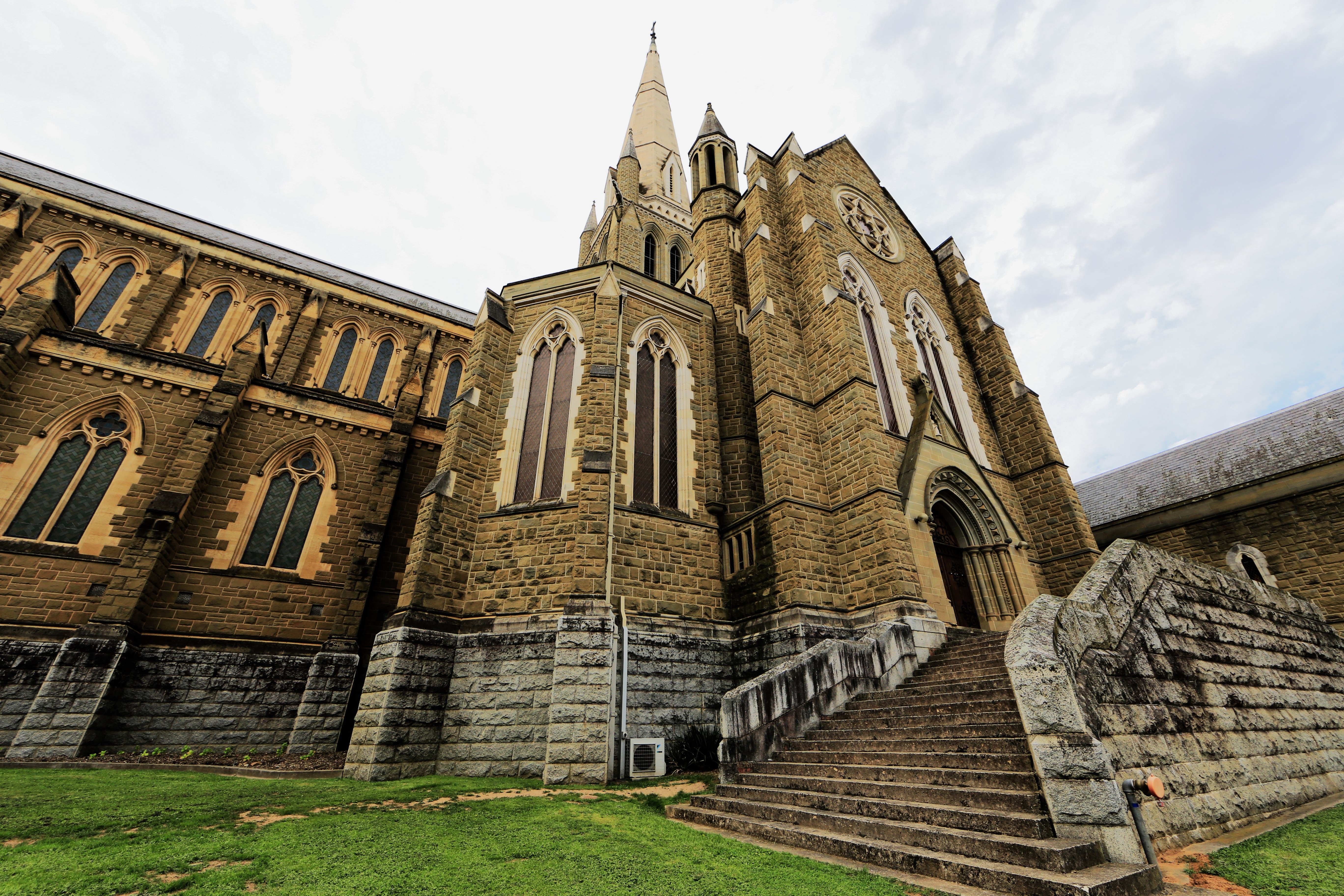
St Andrew Presbyterian Church Bendigo Australia for Treasure Tuesday


Recently I have found myself drawn less to distant landscapes than to the forgotten corners of my own city. Bendigo, whose wealth was once measured in gold, has also accumulated a treasury of stories hidden within its aging stone walls. This abandoned church, silent since the pandemic years, stopped me in my tracks. Though protected by heritage legislation, it now stands behind boarded doors and rusting roofs, surrendered to weeds and time. There is a peculiar sadness in watching a building that once echoed with hymns become a monument to neglect—a reminder that preserving history requires far more than placing a name on a heritage register.


The former St Andrew's Presbyterian Church is one of the many ecclesiastical landmarks that emerged during Bendigo's extraordinary transformation following the Victorian gold rush. Before gold was discovered in the early 1850s, Bendigo Creek was little more than pastoral country occupied for thousands of years by the Dja Dja Wurrung people. The discovery of rich alluvial deposits changed everything. Within a few short years the scattered diggings evolved into one of the wealthiest inland cities in the British Empire, drawing miners, merchants and immigrants from Scotland, Ireland, England, Germany, China and beyond.

Among these newcomers were Scottish Presbyterians, whose faith placed great importance on education, sobriety and community life. As Bendigo prospered, they commissioned substantial churches that reflected both their confidence and permanence. Rather than temporary timber chapels, they built in locally quarried bluestone and warm sandstone, materials intended to endure for centuries. Gothic Revival architecture, inspired by medieval Europe, became the preferred language of sacred buildings throughout colonial Victoria. Pointed arches, steeply pitched roofs, buttresses and narrow lancet windows were intended not merely as decoration, but as symbols directing the eye heavenward.

This church embodies that Victorian confidence. Its bluestone walls remain remarkably solid despite years of abandonment, while the sandstone detailing around the windows and entrances still demonstrates the remarkable craftsmanship of nineteenth-century stonemasons. The simple elegance of the building reflects Presbyterian restraint—less ornate than many Anglican or Catholic churches, yet possessing a quiet dignity born from proportion and finely executed masonry rather than elaborate decoration.

For well over a century the church was far more than a place of Sunday worship. It witnessed baptisms, weddings, funerals and countless ordinary gatherings that stitched together the social fabric of Bendigo. During periods of economic prosperity and hardship alike, churches such as this provided education, charitable relief and a sense of belonging for successive generations. As Bendigo evolved from booming goldfield to regional city, these buildings remained steadfast landmarks while the streets around them changed.

The twenty-first century, however, has brought profound challenges to many historic churches. Declining congregations, increasing maintenance costs and changing patterns of worship have left numerous heritage buildings without sustainable uses. The COVID-19 pandemic accelerated this decline, with closures, reduced attendance and financial pressures leaving many churches vacant for extended periods. Heritage listing protects a building from inappropriate demolition or alteration, but it does not guarantee restoration or occupation. Owners often face enormous conservation costs, while adaptive reuse must balance modern requirements with strict heritage regulations.

That tension is visible throughout your photograph. The boarded doorway, weathered corrugated roof and overgrown grass contrast painfully with the enduring quality of the nineteenth-century stonework. The building has not yet become a ruin; rather, it exists in an uncomfortable limbo between preservation and decay. Every cracked window, every rust stain and every patch of neglected garden quietly asks whether society truly values its architectural inheritance, or merely catalogues it.

Standing before it beneath the brilliant summer sky, I was struck by the irony. The church remains structurally magnificent, its Gothic silhouette still commanding respect after more than a century, yet it has been reduced to silence. Once filled with voices raised in prayer, it now hears only the wind moving through the cypress trees and the occasional footsteps of curious passers-by. My photograph is therefore less a record of an abandoned building than a portrait of forgotten stewardship. In a city celebrated for preserving its grand gold-rush legacy, this lonely church reminds us that heritage survives not simply through legislation, but through continued care, purpose and the willingness of each generation to inherit the responsibilities of the last.


Sony A7RV

FE 20-70mm f4 G


Linking Treasure Tuesday


Tuesday, February 25, 2025

Abandoned Old Gillies Pie Factory in Bendigo, Victoria, Australia for Treasure Tuesday


The Old Gillies Pie Factory in Bendigo, Victoria, stands as a testament to the city's rich industrial and culinary heritage. Established in the mid-20th century, this factory was once the heart of a thriving pie-making enterprise that left an indelible mark on the local community.

Origins and Growth

The Gillies Pies brand was founded by three brothers—Les, Alan, and Norm Gillies—who relocated from Charlton to Bendigo following the 1940s drought. They began their venture with a modest bakery on Mitchell Street, gradually expanding their operations to meet the growing demand for their delectable pies. In 1958, the brothers acquired the Black Swan Hotel building, transforming it into a mass production facility. This site would later become known as the Old Gillies Pie Factory.

Community Impact

The factory wasn't just a production site; it became a local institution. The "pie window" at Gillies Corner, their second shop, often saw queues of eager customers winding down the street, drawn by the irresistible aroma of freshly baked pies. At its peak, Gillies Pies employed around 200 people, with retail outlets spreading across Victoria and distribution reaching as far as Melbourne.

Decline and Closure

Despite its success, the company faced challenges in the latter part of the 20th century. Operations eventually ceased, and the factory fell into disrepair, becoming a canvas for graffiti and a spot for urban explorers. In 2016, the last link to the iconic brand was severed when the remaining factory operations in Bendigo were shut down, marking the end of an era.

Preservation Efforts

In recent years, there have been efforts to preserve the legacy of the Old Gillies Pie Factory. Local history enthusiasts have lobbied for the site's restoration, aiming to maintain its "naturally decrepit" state as a nod to its historical significance. These endeavors highlight the community's desire to honour and remember the factory's role in Bendigo's history.


Sony A7RV

Laowa 9mm f5.6

Linking Treasure Tuesday


Saturday, February 14, 2026

White-naped Honeyeater in Bendigo for Saturday Critter


The White-naped Honeyeater is a small, quick-moving woodland bird commonly encountered in central Victorian box-ironbark forests, making Crusoe Reservoir near Bendigo an ideal setting for sightings. Around 13–15 cm long, it shows olive-green upperparts, pale underparts, a neat black cap, and a crisp white band across the nape. In good light, the tiny reddish patch above the eye can be seen as it flicks through the canopy.

At Crusoe Reservoir, the mix of eucalypt woodland, regenerating bushland, and open water edges provides abundant nectar sources and insect life. The bird is often heard before it is seen — a sharp, busy caller moving restlessly among flowering gums and ironbarks. It feeds high in foliage, gleaning insects from leaves and bark while also taking nectar from blossoms common in the Bendigo region, particularly during seasonal flowering cycles.

In this part of Victoria, White-naped Honeyeaters may appear in small foraging parties and sometimes join mixed flocks with other honeyeaters as they move through the forest in response to flowering patterns. Their constant motion and canopy preference mean they can be easily overlooked despite being locally regular.

Within Bendigo’s bush reserves like Crusoe Reservoir, they are part of the characteristic box-ironbark bird community, reflecting the resilience of remnant woodland habitat that still supports nectar-feeding species despite the surrounding urban fringe.

Sony A7RV

FE 200-600mm f5.6-6.3


Linking Saturday Critter


Monday, March 16, 2026

Bendigo Mural off a wall for Mural Monday


Painted by a well-known cartoonist who wanders the same shopping centre aisles as I do. In a city the size of Bendigo, that is hardly surprising. There is, after all, only one real shopping town—the place where everyone eventually drifts, like leaves circling toward the same quiet eddy.

Under the bright, practical lights of the mall, art and groceries mingle without ceremony. A trolley rattles past a newsagent window; someone pauses over a display of fruit; somewhere nearby, the cartoonist who once filled newspapers with laughter is simply another shopper comparing prices or lingering over a cup of coffee.

And yet it gives the painting a small secret glow. Knowing the hand that made it might also reach for a loaf of bread in the same place you do—might stand in the same queue, glance at the same shop windows—shrinks the distance between art and ordinary life. In a town like Bendigo, creativity does not live in distant studios. It walks the same tiled floors as everyone else, quietly carrying its sketchbook among the shopping bags.


Sony A7RV

FE 50mm f1.2 GM


Linking Mural Monday


Saturday, September 13, 2025

Regent Honeyeater spotted at Crusoe Reserve, Bendigo for Saturday Critter


This bird is the Regent Honeyeater (Anthochaera phrygia), a critically endangered species native to south-eastern Australia. Distinguished by its striking black-and-yellow plumage, the distinctive warty skin about the eyes, and a strong, curved bill adapted for feeding on nectar, the Regent Honeyeater is one of the nation’s most imperilled birds. Its numbers have diminished drastically in recent decades, largely as a consequence of habitat loss and the fragmentation of the eucalypt woodlands upon which it depends.

During the period of pandemic restrictions, I took to visiting the Crusoe Reservoir daily as a means of physical exercise and quiet reflection. Situated near Kangaroo Flat on the outskirts of Bendigo, Victoria, the reservoir was constructed in the 1860s to supply water for gold mining and township use. Today, it forms part of the Greater Bendigo National Park and serves as a place of both recreation and environmental significance. Encircled by walking trails and woodlands rich in birdlife, it provides a refuge for native flora and fauna, as well as a glimpse into the region’s goldfields heritage. My regular walks there afforded me not only the benefits of fresh air and exercise, but also the chance to observe the delicate balance of nature in a landscape that has long borne the marks of human history.


Pentax K10D

FA 300mm f2.8 

Linking Saturday Critter


Wednesday, June 25, 2014

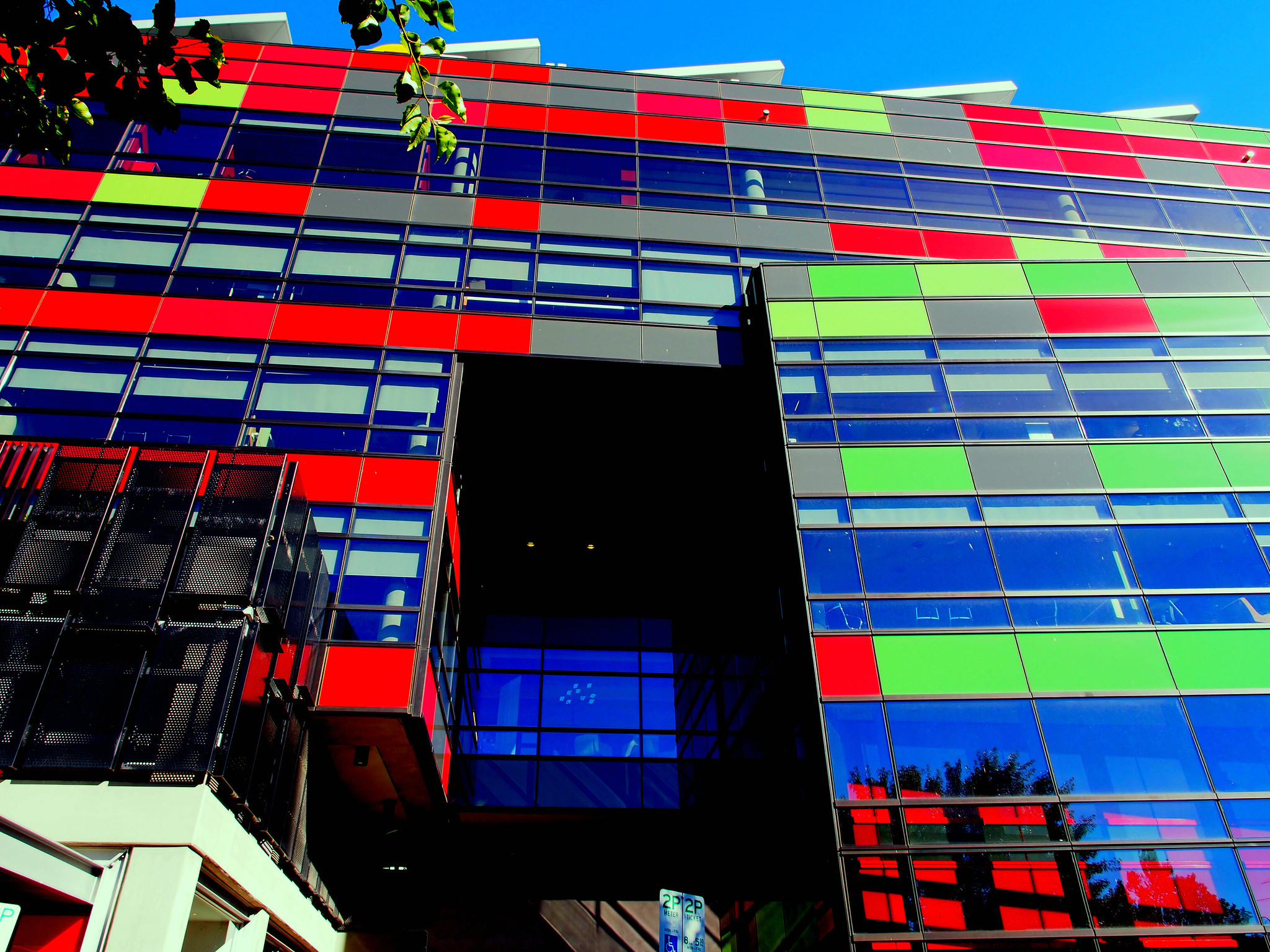
Facade of Bendigo Bank at Bendigo


Bendigo Bank Facade. Very colourful.

Saturday, July 11, 2026

Bendigo Cemetery Victoria for Black and white Community


Lately, I have found myself immersed in YouTube documentaries exploring Australia's abandoned towns, forgotten cemeteries and stories of the paranormal. Whether one believes in restless spirits or not, these places possess an undeniable atmosphere, where silence seems to preserve memories that history has allowed to fade.

It made me think of Bendigo, a city I once called home. Hidden among its old cemeteries are the resting places of Chinese pioneers who travelled thousands of kilometres from southern China during the great Victorian gold rush of the 1850s. They came with little more than hope, enduring long sea voyages and exhausting journeys overland in pursuit of the same dream that lured thousands of fortune seekers from across the world.

Yet for many, the promise of gold was overshadowed by hardship. Chinese miners were burdened by discriminatory taxes, restrictive laws and widespread prejudice. They were often viewed with suspicion simply because they looked, dressed and spoke differently. Camps were attacked, possessions looted, and innocent men became victims of racial violence that scarred the goldfields. Some lost their lives at the hands of angry mobs, while countless others endured fear, humiliation and injustice far from the families they had left behind. Their suffering became another layer of the history buried beneath the Victorian soil.

Today, weathered headstones stand quietly beneath ancient trees, their inscriptions softened by more than a century of wind and rain. Many names have faded beyond recognition, but each grave tells a story of courage, sacrifice and resilience. These men helped build the prosperity of towns like Bendigo, contributing not only to the goldfields but also to commerce, agriculture and the rich multicultural heritage that Australia now celebrates.

Walking through those forgotten cemeteries, one cannot help but wonder what echoes remain. Perhaps it is not ghosts that linger among the old graves, but memories—of dreams left unfulfilled, fortunes never found, and lives forever changed by hope and hardship. The silence invites reflection rather than fear, reminding us that beneath every weathered stone lies a human story waiting to be remembered. Sometimes, the most haunting places are not those inhabited by spirits, but those where history itself still whispers through the wind.

Sony A7RV

FE 20-70mm f4 G


Linking Black and White Community


Monday, March 9, 2026

Bendigo Penny Weight walk Mural for Mural Monday


In the curve of Penny Weight Walk, where Bendigo’s laneways murmur to brick and shadow, she waits.

Crimson and unyielding, her face burns softly against the wall. Eyes closed—not in retreat, but in listening. As if some inward hymn steadies her breath. Sunset lives in her skin; the artist has pressed fire there and left it glowing.

Her neck lifts in a long, ancestral arc. Around her, flowers riot—roses folding into lilies, pale frangipani brushing feverfew—petals and vines circling her stillness like a living crown.

Shoppers pass. Footsteps scatter. Yet a hush gathers in her red silence, fierce and tender at once. She does not open her eyes.

The mural is already awake.


Sony A7RV

FE 20-70mm f4 G


Linking Mural Monday


Sunday, November 9, 2014

Sacred Heart Church Bendigo


14mm view of Bendigo Sacred Heart Church

Tuesday, January 16, 2024

Great Stupa of Universal Compassion, Bendigo for Treasure Tuesday


Taken yesterday afternoon. Only 12km from where I live in Bendigo. A nice view in deed.

I have treated a few monks from this sanctuary. 

DJ Mini Pro4

Linking Treasure Tuesday


Sunday, July 9, 2023

Night stall at Bendigo for Sunday Best


On a cold night at Bendigo, the neon light really gives a good mood.


Sony A7RV

FE 50mm f1.2 

Linking Sunday Best


Thursday, August 21, 2025

Turpin Waterfall, Bendigo for Water H20 Thursday


Turpin Falls, not far from Bendigo, remains etched in my memory as one of those rare discoveries that seem almost too wondrous to share. I visited the falls some four years ago, and though I cannot recall quite how I came upon the exact vantage point that day, I remember well the sense of awe as the basalt cliffs opened before me and the water poured in a silver sheet into the deep pool below. The cliffs themselves tell of a distant volcanic age, their dark basalt columns rising like the walls of some vast natural cathedral, while the surrounding country speaks of long habitation by the Dja Dja Wurrung people, for whom this landscape has always held meaning. For over a century, the falls have drawn summer visitors, who would climb down to the base for swimming and relief from the heat, their laughter echoing against the stone. Yet such visits belong now to memory, for the track to the base has been permanently closed, both to preserve the fragile environment and to ensure safety upon those treacherous rocks. In a sense, this loss lends a heightened value to my recollection: a private moment of communion with the wild spirit of the place, both a traveller’s fleeting encounter and a glimpse into the deep natural and cultural heritage of Turpin Falls.


Sony A7RV

FE 70-200mm f2.8 GM


Check oout Water H2O Thursday


Tuesday, July 30, 2024

Miss Batterham Bendigo for Treasure Tuesday


Cold winter in Bendigo increases my appetite

The place offers tasting menu less than 500 metres from where I live. A french set for 75 AUD. Not bad. It comes with free house Redwine pinot 

Sony A7RV

FE 35mm f1.4 GM


Linking Treasure Tuesday


Last few weekends have been plagued by torrential rain and rather cold temperature. Finally Joel and I were aiming to go to Lego festival in Ascot Vale on Saturday. Then Joel ended up vomiting in his car on the way to the exhibition. So we had to cancel it in the end. He is trying to wean his antidepressant down going through withdrawal


I also heard that a lot of people said they want to make "dent" in universe? What the heck does that mean?


Friday, February 20, 2026

Goornong Sunrise for Sky watch Friday


In earlier years I drove long arterial roads into the rural margins of Victoria, the boot packed with files and instruments, the morning still undecided between frost and light. The work took me through paddocks silvered with dew and towns that woke slowly, bakeries first, then fuel stations, then the school crossings. I learned the discipline of dawn: how it breaks differently over stubble than over pasture, how mist lifts from creek flats in long, patient veils.

On the run north from Bendigo toward the Murray, the highway passes through Goornong—a small settlement set amid broadacre farming country. Its name is commonly traced to an Aboriginal word, often said to refer to mallee fowl, a reminder that this was once a landscape of woodland and grass before wheat and sheep laid their geometry across it. The district gathered itself in the late nineteenth century, when selectors and railway lines stitched the interior to markets; the railway’s arrival in the 1870s helped turn a scattering of holdings into a town with a school, a hall, and the steady rhythms of agricultural life.

By the time I was passing through for clinics, Goornong kept its quiet competence. Silos stood like sentinels against a wide sky. Fences ran straight as ruled lines. In summer the fields browned to parchment; in winter they breathed green again. And always, on the eastbound stretches, the sun would lift without apology—low, fierce, and perfectly aligned with the windscreen. It poured into the car in molten bands, turning the bitumen into a river of light and forcing me to squint behind the visor.

Those drives became a kind of liturgy. The glare was inconvenient, yes, but it was also exacting and honest—an unfiltered sunrise over country that has endured cycles of cultivation and drought, rail and road, departure and return. In that brief corridor between Bendigo and Echuca, the day announced itself without ornament, and I carried its brightness with me into the clinic rooms.

Sony A7RV

FE 70-200mm f2.8 GM


Linking Skywatch Friday


Monday, March 31, 2014

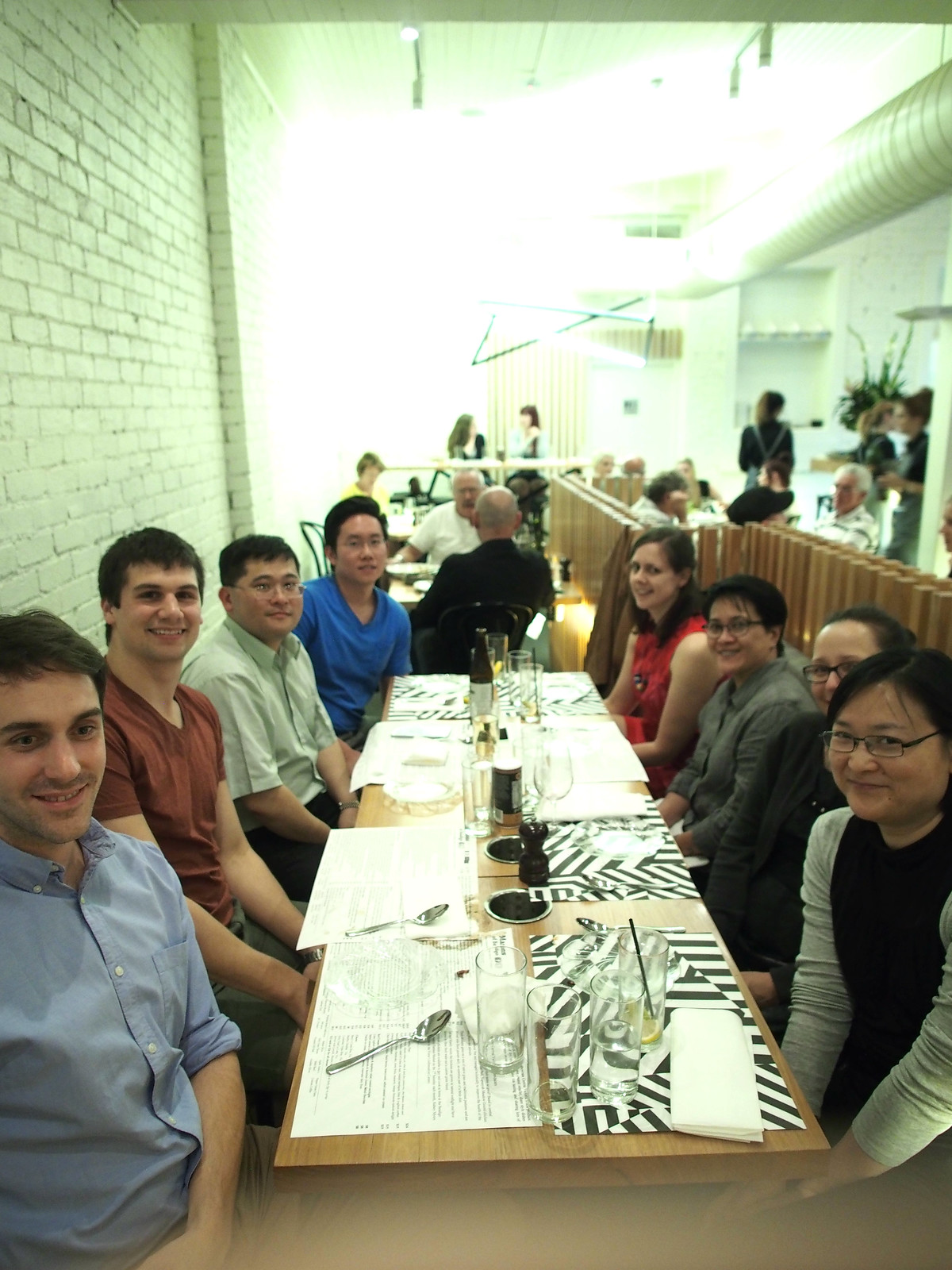
My junior team dining at Masons Bendigo


At Bendigo Masons

The junior team


Monday, March 6, 2023

Mural seen at Bendigo for Mural Monday


Bendigo Mural 


Panasonic G9

Leica 15mm f1.8 

Linking Mural Monday


Thursday, July 13, 2023

Dai Gum San Shrine in Bendigo for Randomosity


This tiny garden in Bendigo has been under renovation since 2020. Finally it is completed. 


It does not look too bad.


Sony A7RV

Sigma 17mm f4 


Linking Randomosity


Wednesday, September 28, 2022

Puddle reflection at night, Bendigo


The rain will be pouring for the next consecutive 10 days all over Australia. I was splashed by the rain last evening too. Well, I did not know there was a light up event near the tulip bloom!

Sony A7RIV

FE 24mm f1.4 GM 

I shot it handheld. No tripod. Done wide open too. Funny to do this like a lazy crook. 


Bendigo Photos


Friday, December 23, 2022

Bendigo Christmas Lights in regional weatherboard house


Well, it is a bit of stretch that one may spot some clouds and sky above the obvious. It is actually less than a block from where I live in Bendigo - a regional centre

However, there is no crowds in the street! I enjoy this for quite a while before I go to bed.


Sony A7RV

FE 24mm f1.4 GM


I spotted this while I was living in a motel for a hospital contract work. Very cool!


Linking Skywatch Friday