Labels

Sony A7RV (959) australia (464) melbourne (462) landscape (260) sunset (222) Sony A7RIV (203) sea (178) nature (168) long exposure (166) street art (160) urban (113) ocean (112) f1.2 (109) macro (101) 50mm (99) bird (64) seascape (64) insect (56) abandoned (47) waterfall (46) black and white (34) Sydney (29) Sign2 (11) drone (8) stairs (7) light painting (3)
Showing posts with label national park. Show all posts

Sunday, September 6, 2026

Killarney National Park Ireland for Sunday Best


There is a specific kind of quiet that only lives in the corners of Ireland, a stillness that doesn’t feel empty, but rather full of ancient breath. Today, looking back through the lens of my camera, I feel caught between two entirely different worlds, tethered together only by the emerald threads of this island.

The morning began in the soft, cradling arms of Killarney. Standing by the wooden fence, the world opened up like an old watercolor painting left out to dry in the sun. The MacGillycuddy's Reeks rose up in hazy lavender waves, their peaks brushing against a sky so pale it almost felt silver. Below them, the lakes spread out like spilled ink—deep, glass-blue, and dotted with tiny, secret islands. It’s the kind of view that forces a breath out of you. You look at the sheep grazing in the vibrant pastures, the dark treeline guarding the water, and you realize that time doesn't move here the way it does in the city. It lingers.

I lost myself for hours on the dirt trails cutting through the native oak woods. Walking there feels like stepping into a chapel of leaves. The path curves gently, disappearing into tunnels of gnarled, sun-dappled branches. Every step on the loose gravel is a soft crunch in the silence, accompanied only by the rustle of ivy and the distant, melodic murmur of the hidden lakes. You get the distinct feeling that if you stopped moving and stood perfectly still, the moss would start to grow over your boots, welcoming you into the forest floor.

But Ireland is a land of sharp contrasts, and by the time the afternoon light began to lean long and heavy, I found myself on the ragged edge of the north coast, standing inside the skeletal remains of Dunluce Castle.

If Killarney is a soft lullaby, Dunluce is a battle cry frozen in stone.

Stepping through the ruined keep, looking up through window frames that no longer hold glass, you face the raw, unyielding Atlantic. The stone walls are cold, rough, and stained by centuries of salt air and sea spray. There is a wild, dizzying romance to it—this proud, broken fortress clinging desperately to a sheer basalt cliff, defying the crashing waves below. Walking through the roofless halls, the wind howls through the gaps in the masonry, carrying the ghosts of clans, kings, and ancient feuds. It is beautiful in a way that haunts you.

Two islands, two spirits. One of peaceful, wooded sanctuaries and shimmering lakes; the other of fractured stone, steep cliffs, and the roaring sea. My boots are caked in Kerry mud and Antrim dust, and my heart is entirely full.


Canon 6D

EF 14mm f2.8 


Linking Sunday Best


Saturday, August 29, 2026

Ross Castle Killarney National Park in Ireland for Black and White Community


The fortress captured in the image is Ross Castle, a 15th-century stronghold beautifully situated on the shores of Lough Leane within Killarney National Park in County Kerry, Ireland


The hour was fleeting, a swift and borrowed grace, as I was chauffeured through the ancient, whispering depths of the park. My guide, a master of the road, steered our grand luxury coach like a vessel navigating through time itself, unraveling the emerald secrets of the land. Together, we traced the dramatic sweeping loops of the landscape, unlocking the secrets of the upper, middle, and lower rings of this majestic realm. And there, framed like a dream between the rugged boughs of silent trees, the silver stone of Ross Castle emerged from the lake—a timeless sentinel guarding the quiet waters of the Kingdom.


Ross Castle was built in the late 15th century by the powerful O'Donoghue Mór clan on the scenic shores of Lough Leane. It later passed to the Browne family before earning historical fame during the Cromwellian conquest of 1652 as the last Munster stronghold to surrender. The defenders capitulated only when English forces fulfilled an ancient prophecy by launching warships onto the lake. Repurposed as a military barracks in the 18th century and later left to ruin, the fortified tower house was meticulously restored in the late 20th century and stands today as a celebrated heritage site within Killarney National Park.


Canon 6D

EF 14mm f2.8 


Linking Black And White Community


Saturday, July 25, 2026

Mungo National Park desert for black and white community


The desert landscape of Mungo National Park may resemble deserts found in many corners of the world, yet there is something strangely familiar about it too. In places, the rippled sand could almost be mistaken for a beach anywhere along the Australian coast, shaped by the same restless hand of wind and time. Perhaps it is the patterns that draw me in—the delicate lines and curves etched across the earth, each one temporary, yet quietly beautiful in its own way.


Fujifilm Pro2

Fujinon 16-55mm f2.8 


Linking Black and white community


Saturday, October 15, 2022

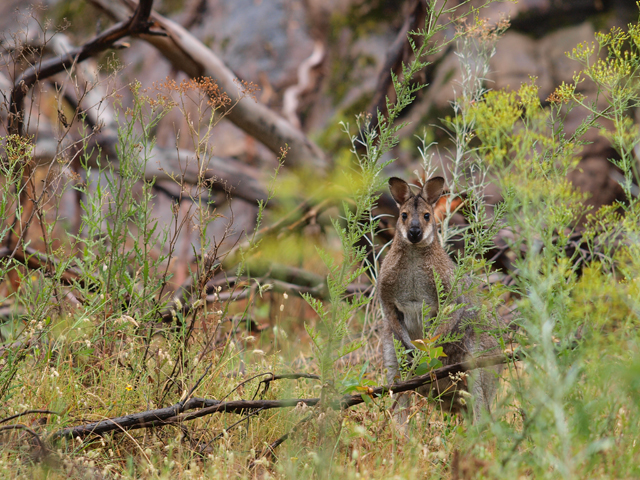
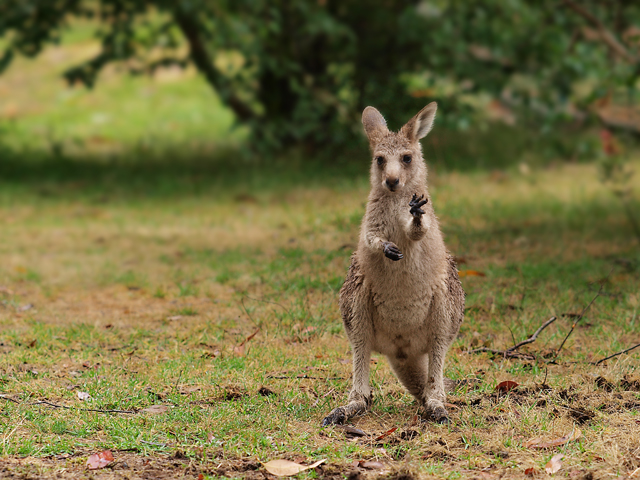
Little Wallaby baby for Saturday's Critter


A new karate moves 


Olympus E520

150mm f2


This is in link with Saturday's Critter


Sunday, August 7, 2016

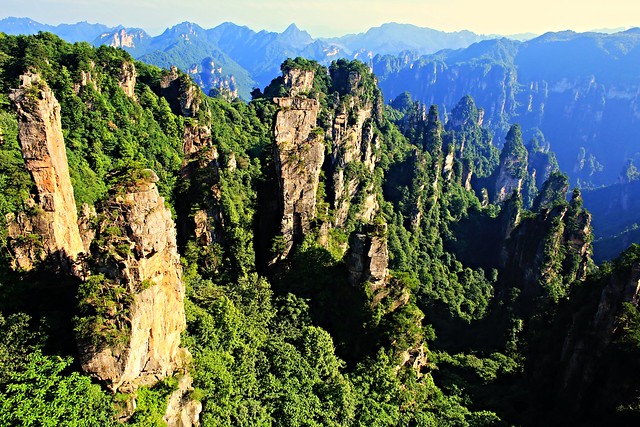
ZhangJiaJie National Park


These unusual rock formations are delight to see

Sunday, January 4, 2015

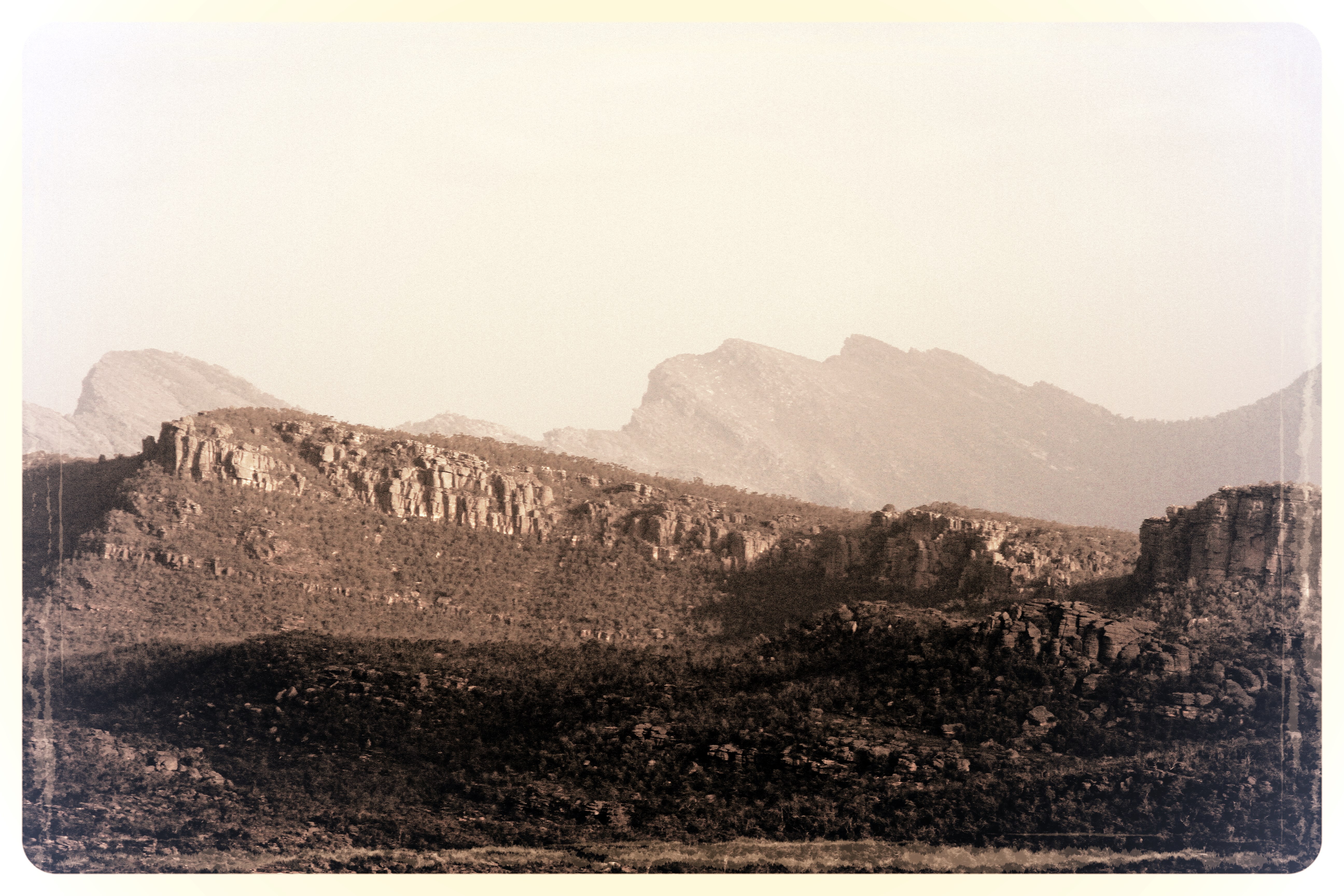
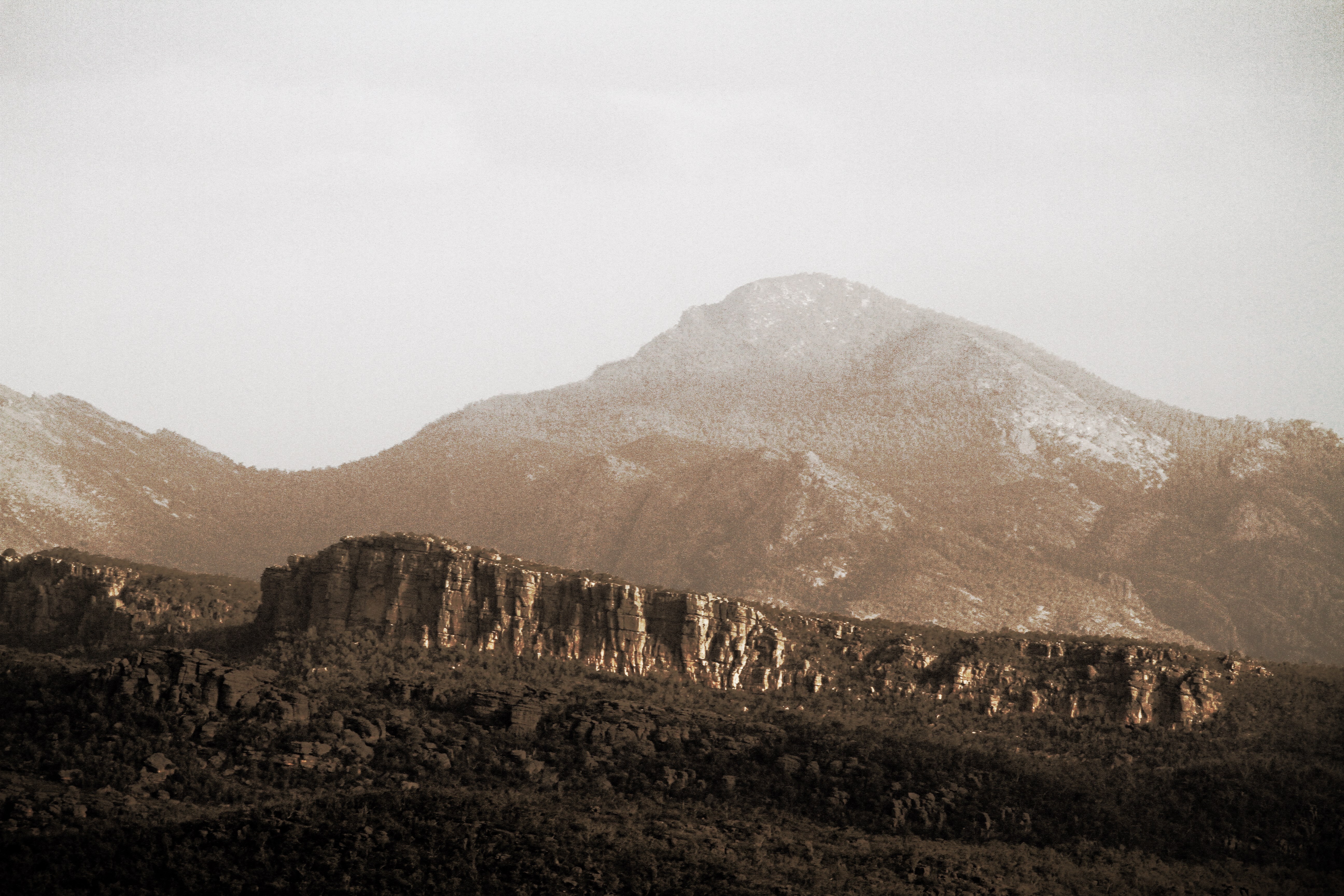
Grampians National Park via a photographer's perspective


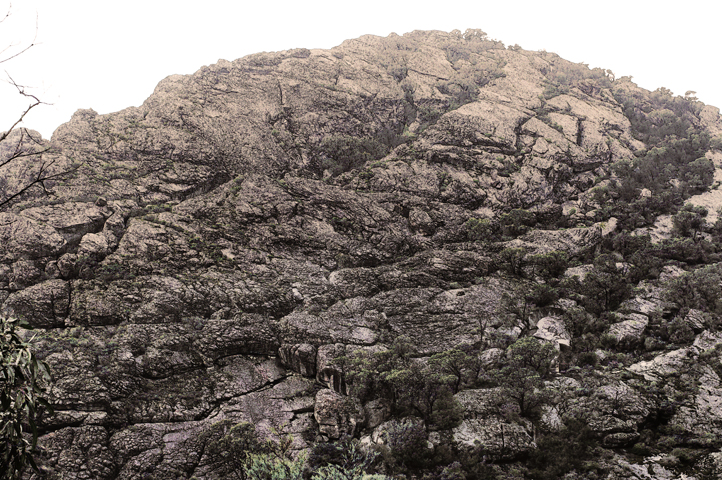
I love Grampians. It is also called "Gariwerd", which means "ranges" in traditional aboriginal language. This is a place where photographers would find it challenging to photograph: the harsh lighting from the typical angry sun, dense dark foliage of native plants (not reflecting colours) and the gale that would blow your mind away (because your tripods get blown away too).

It is reported that over 60 cultural sites have been identified in Grampians. The murals are certainly worthy of visits for any photographers - the tracks leading to the murals are often good photography opportunities.

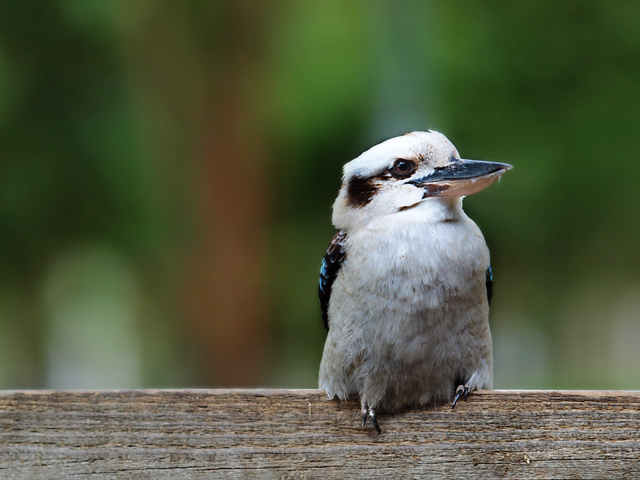
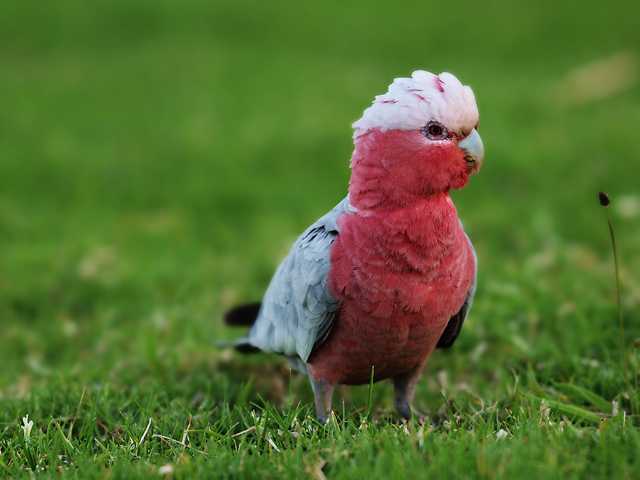
Over the past 20 years, I have frequented this place for photography opportunities. It turned out this place had turned into an escape from the reality for me. I love the Gala screaming their lungs off every morning. I love the kookaburra squeaking like a group of zombies every sunset.

This is a little summary of my photography experiences in Grampians:

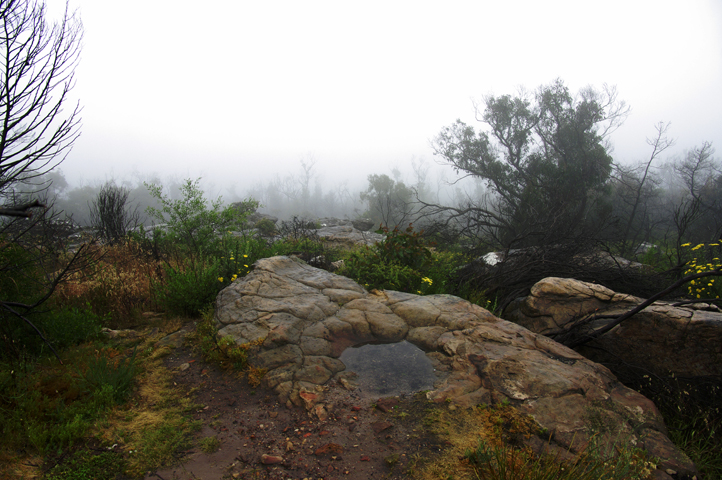
* Visit in winter months - diffuse light from cloudy sky is better than harsh light in summer. Summer is high risk for bushfire as well. The frequent rain often creates mood for the photo ops and great to get mists/fog to render better pictures.
* Do check news about closed roads/paths through national park website
* Always bring a GBS phone and bring plenty of water with you. Drive a 4WF.
* Bring food and groceries from Melbourne as the pricing in Halls Gap is often at least double of the city prices
* Photograph in early mornings or late afternoon

Exploring the Wonders of Grampians National Park

Grampians National Park, located in Victoria, Australia, is a breathtaking natural sanctuary that offers a perfect blend of dramatic landscapes, rich cultural heritage, and abundant wildlife. Spanning over 167,000 hectares, this park is a haven for outdoor enthusiasts, nature lovers, and anyone seeking a serene escape from the hustle and bustle of everyday life.

Majestic Landscapes and Scenic Views

One of the park's most striking features is its rugged mountain ranges, which provide a stunning backdrop for various outdoor activities. The Grampians, known as Gariwerd by the Indigenous people, boast numerous peaks and ridges, with Mount William being the highest point at 1,167 meters. Visitors can enjoy panoramic views of the surrounding plains and valleys from various lookout points such as the Pinnacle, Boroka Lookout, and Reeds Lookout.

Rich Aboriginal Heritage

Grampians National Park is not only renowned for its natural beauty but also for its significant cultural heritage. The park is home to some of the best-preserved Indigenous rock art sites in southeastern Australia. These artworks, created by the Jardwadjali and Djab Wurrung people, offer a glimpse into the rich history and spiritual connection the Indigenous communities have with the land. Brambuk: The National Park and Cultural Centre in Halls Gap provides a comprehensive overview of the area's Aboriginal heritage and is a must-visit for those interested in learning more about the traditional custodians of the land.

Diverse Flora and Fauna

The park's diverse ecosystems support a wide variety of plant and animal species. Wildflowers, including colorful orchids, thrive in the region, particularly during the spring season when the park comes alive with vibrant blooms. The Grampians are also home to over 200 species of birds, making it a birdwatcher's paradise. Kangaroos, wallabies, emus, and echidnas are commonly spotted, adding to the park's charm and providing ample opportunities for wildlife enthusiasts and photographers.

Outdoor Adventures

Grampians National Park offers a plethora of activities for adventure seekers. Hiking is undoubtedly one of the most popular pursuits, with over 160 kilometers of walking trails that cater to all levels of fitness and experience. The Grampians Peaks Trail, a multi-day hike, is a highlight for avid trekkers. Rock climbing, abseiling, and bushwalking are also popular, with numerous guided tours available for those looking to explore the park with expert knowledge.

For those who prefer a more relaxed experience, the park's picturesque waterfalls, such as MacKenzie Falls and Beehive Falls, provide perfect spots for picnicking and unwinding amidst nature's beauty.

Conservation and Sustainability

Efforts to preserve the natural and cultural heritage of Grampians National Park are ongoing. Visitors are encouraged to practice responsible tourism by respecting the environment, staying on designated trails, and following park guidelines. By doing so, we can ensure that this magnificent park remains a sanctuary for future generations to enjoy.

In conclusion, Grampians National Park is a gem of Victoria that offers something for everyone. Whether you're an adventurer, a history buff, or simply someone seeking tranquility, the Grampians provide an unforgettable experience that showcases the best of Australia's natural and cultural wonders. So pack your bags, lace up your hiking boots, and get ready to explore the captivating beauty of Grampians National Park.


Waterfalls

Pentax Da 50mm
Mckenzie fall - part of it - funny that I cannot find any more photos of this largest fall in Victoria. But this one was different from the generic full frontal shot seen on the web everywhere.


Pentax 16-50mm f2.8
Ferret's waterfall - disappeared after the bushfire in 2006


Pentax 10-22mm
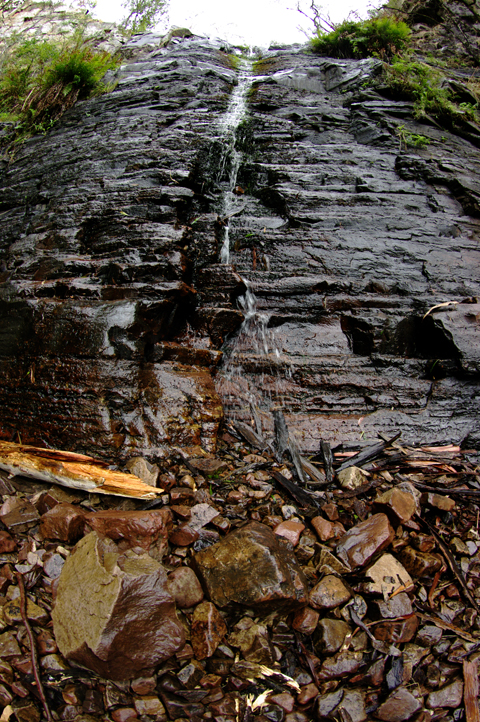
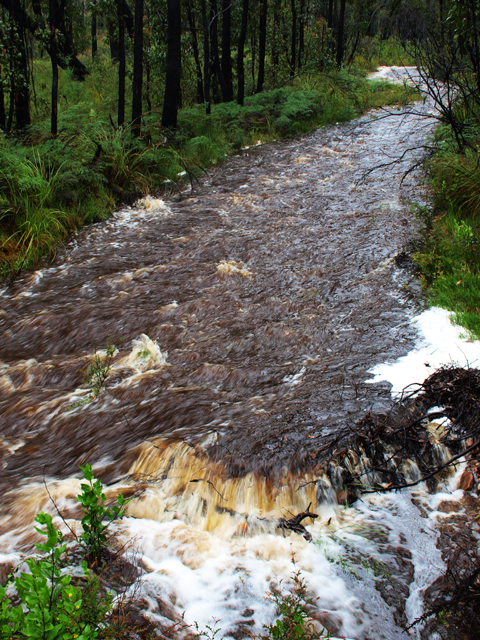
Silverband waterfall - not a long walk, pretty much flat track. Problem is this fall dries out easily. Only to visit after a rainfall. And watch out brown snakes in the area!


Pinnacles
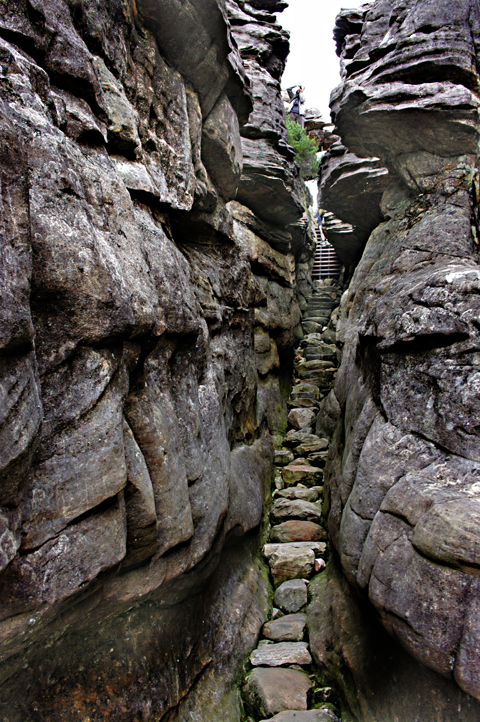
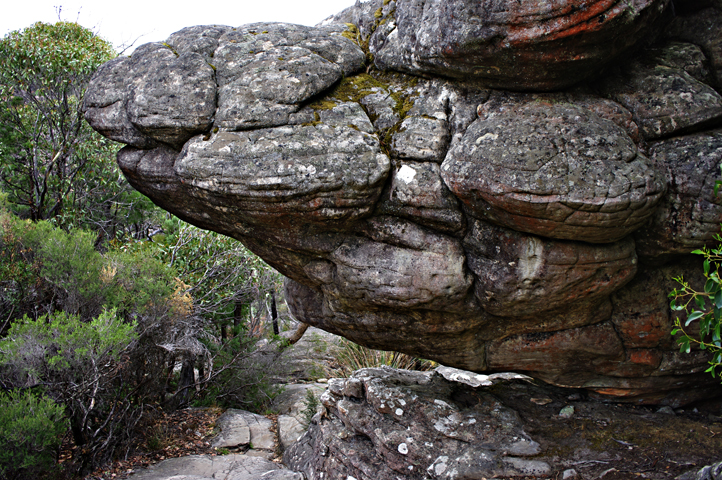
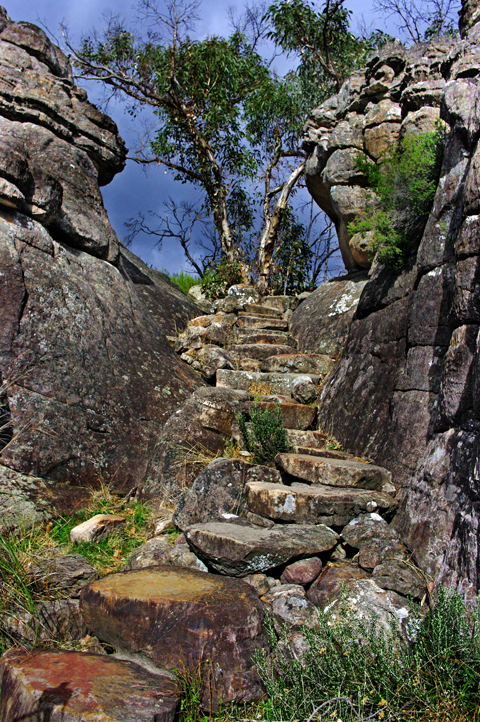
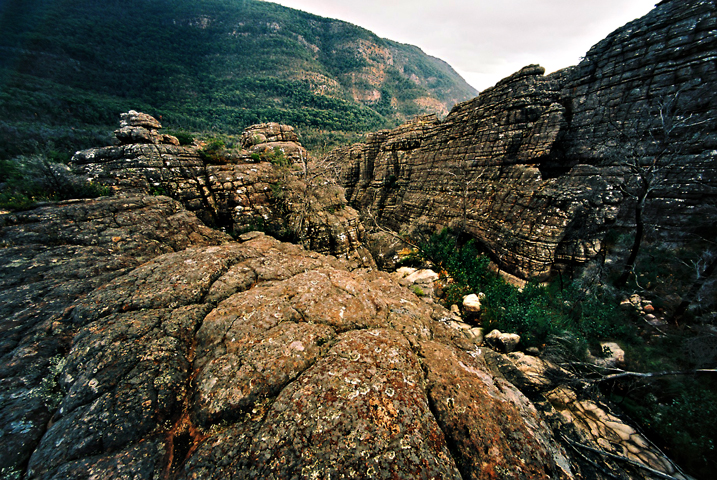
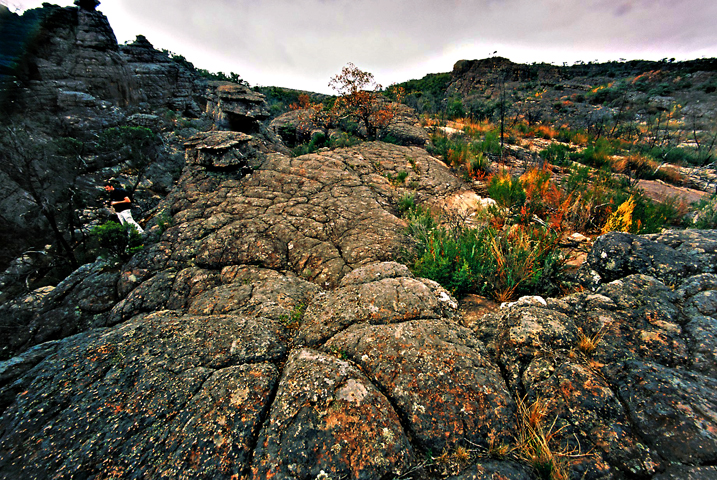
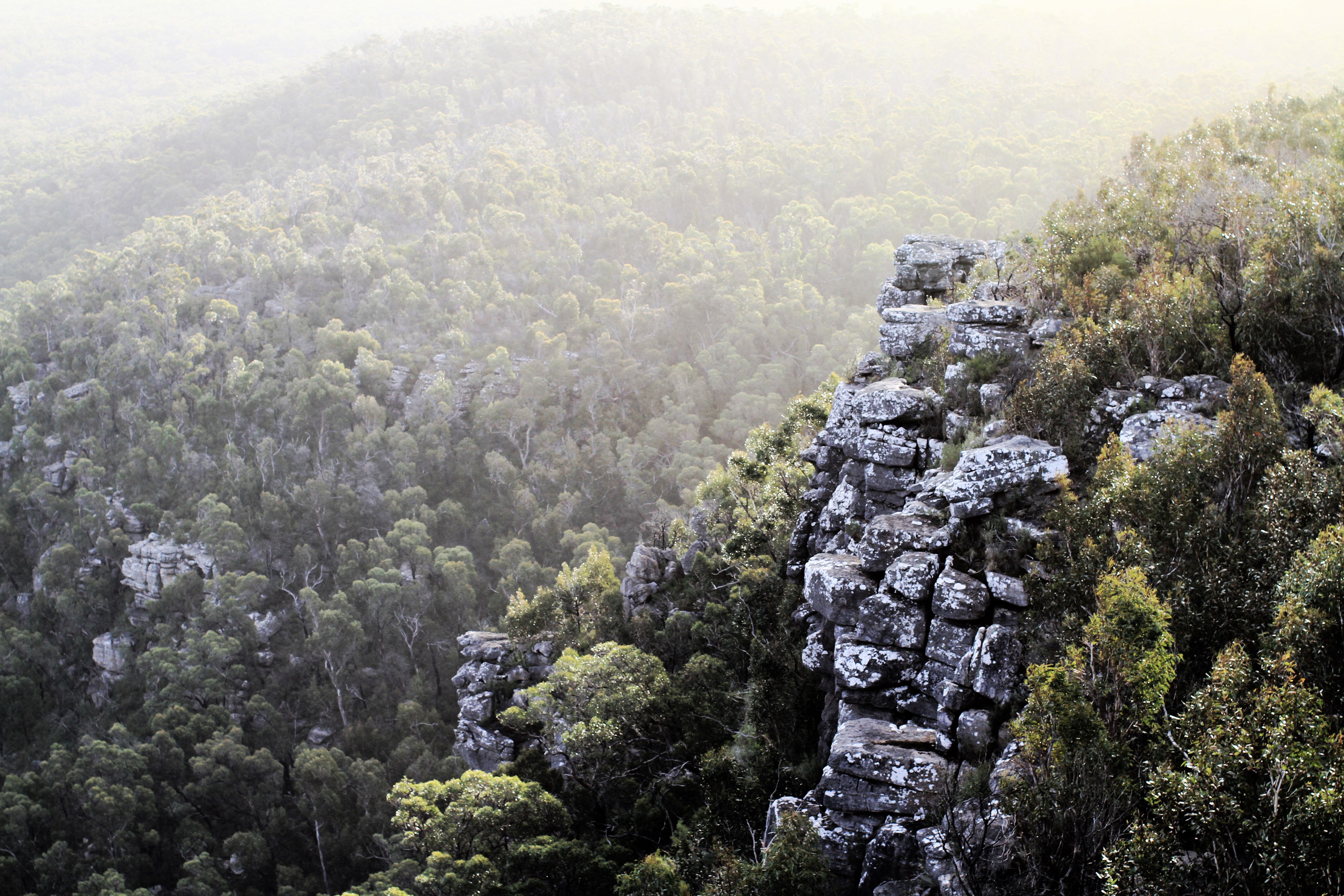
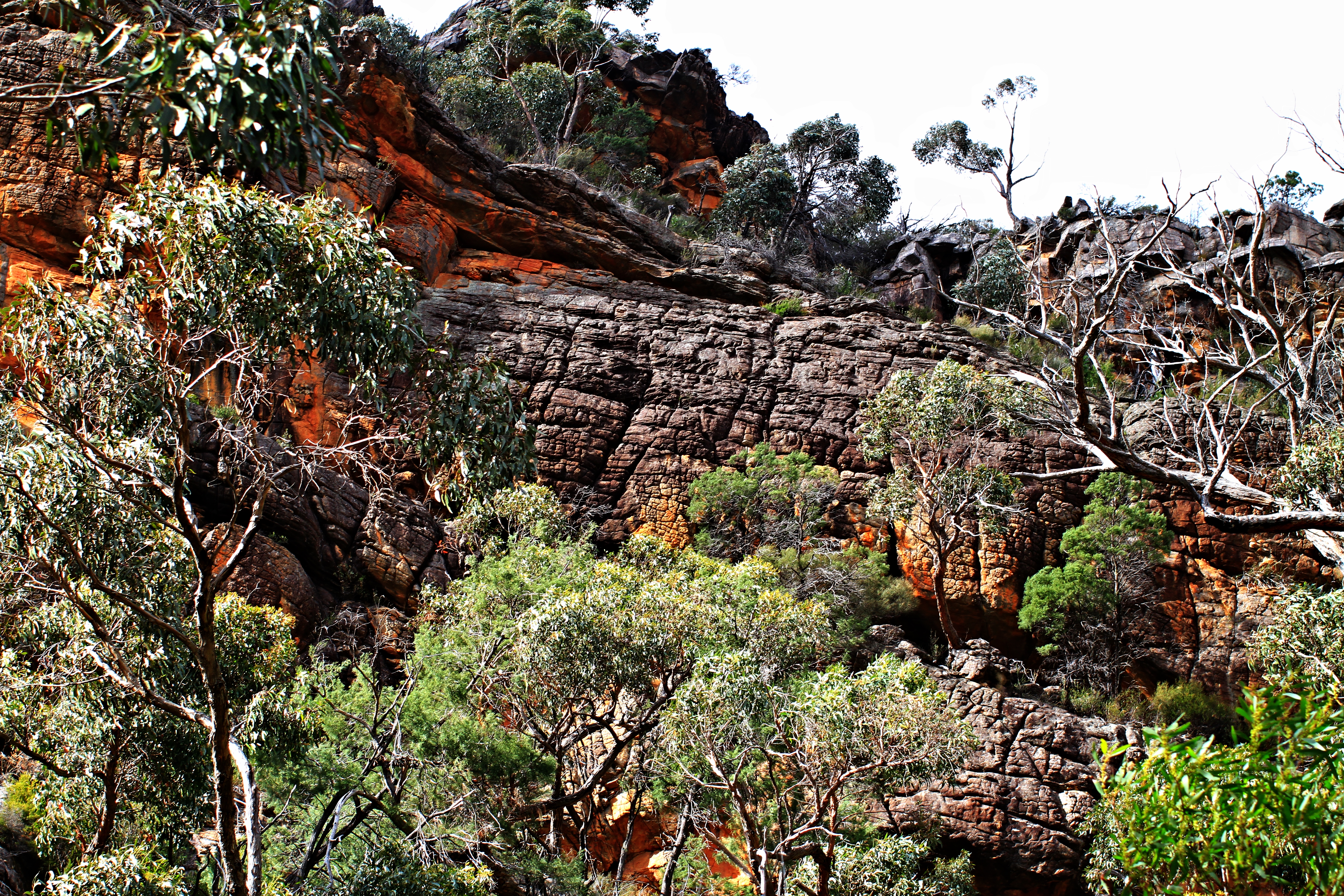
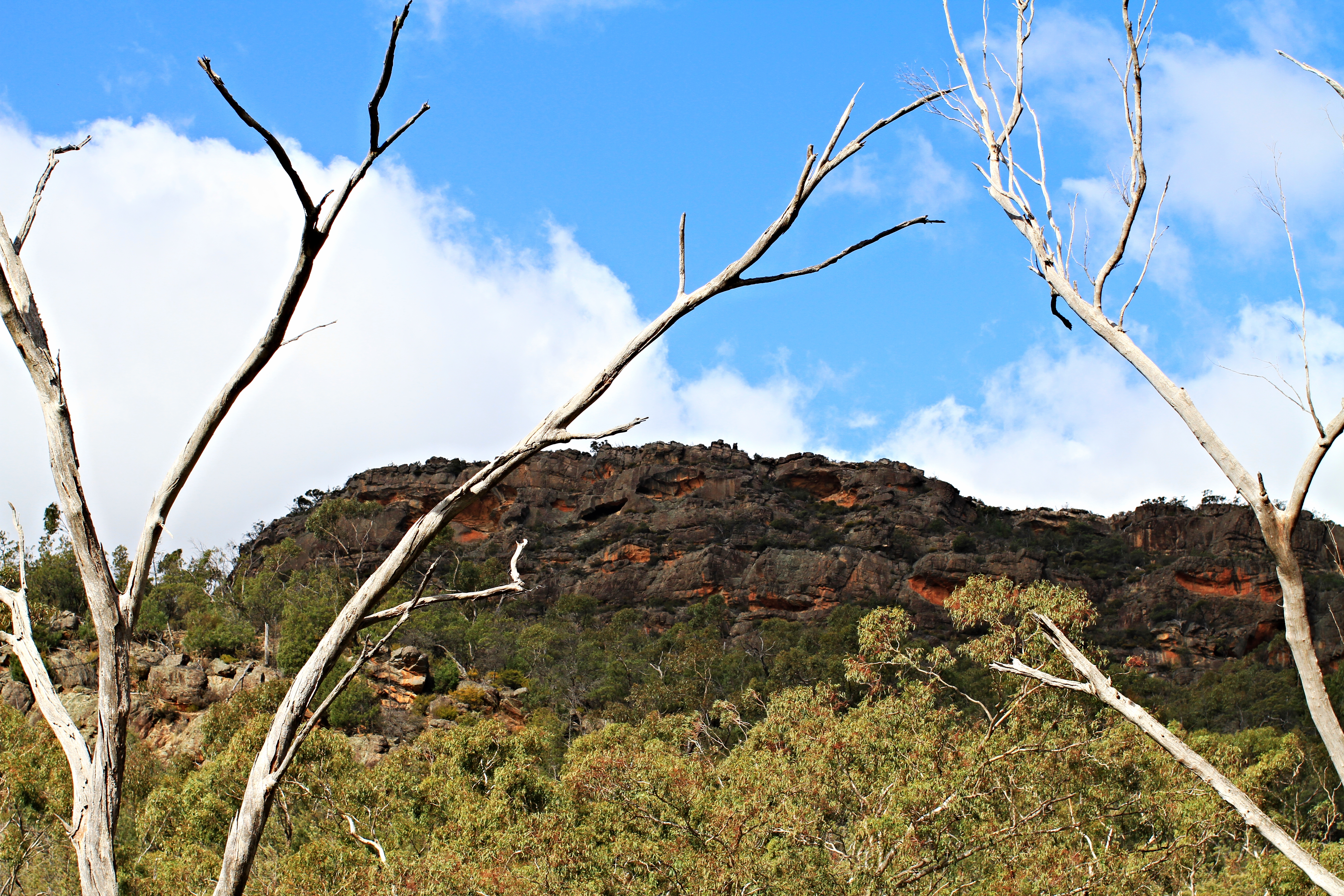
This is a good 5 hour track return trip. Three major phases in geographical changes as you walk through this region. This place is all about rocks.


Pentax Da21mm Limited

Pentax Da21mm limited

Pentax Da21mm limited

Voigtlander 12mm R4A


Wonderland Carpark


Balcony Lookout

On a sunny day, strong UV cast really sucks. There is no point to visit in the day hours. The photos will turn out shit really.

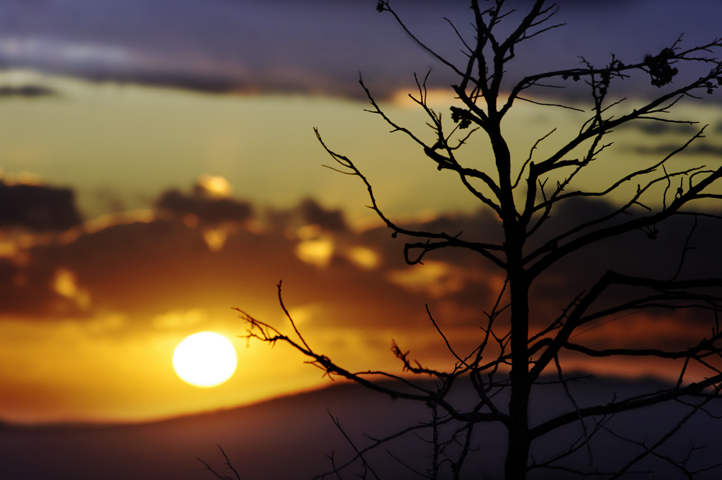
This lookout is bad for sunset shots at the magic hours. This is because the sun goes down on the completely opposite side of the look out. So you dont get much light at all except occasional purple sky at times.

Canon 50mm f1.2L


Canon 50mm f1.2L
Canon 300mm f4L IS - wide angle lens is pretty much useless at this lookout. Best to use 50mm + focal length.

Canon 300mm f4L IS


Reeds Lookout

This lookout is more photographer friendly - at least sun is going down within the view of the look out.

Canon 50mm f1.2L

Canon 50mm f1.2L

Voigtlander 90mm f3.5 macro


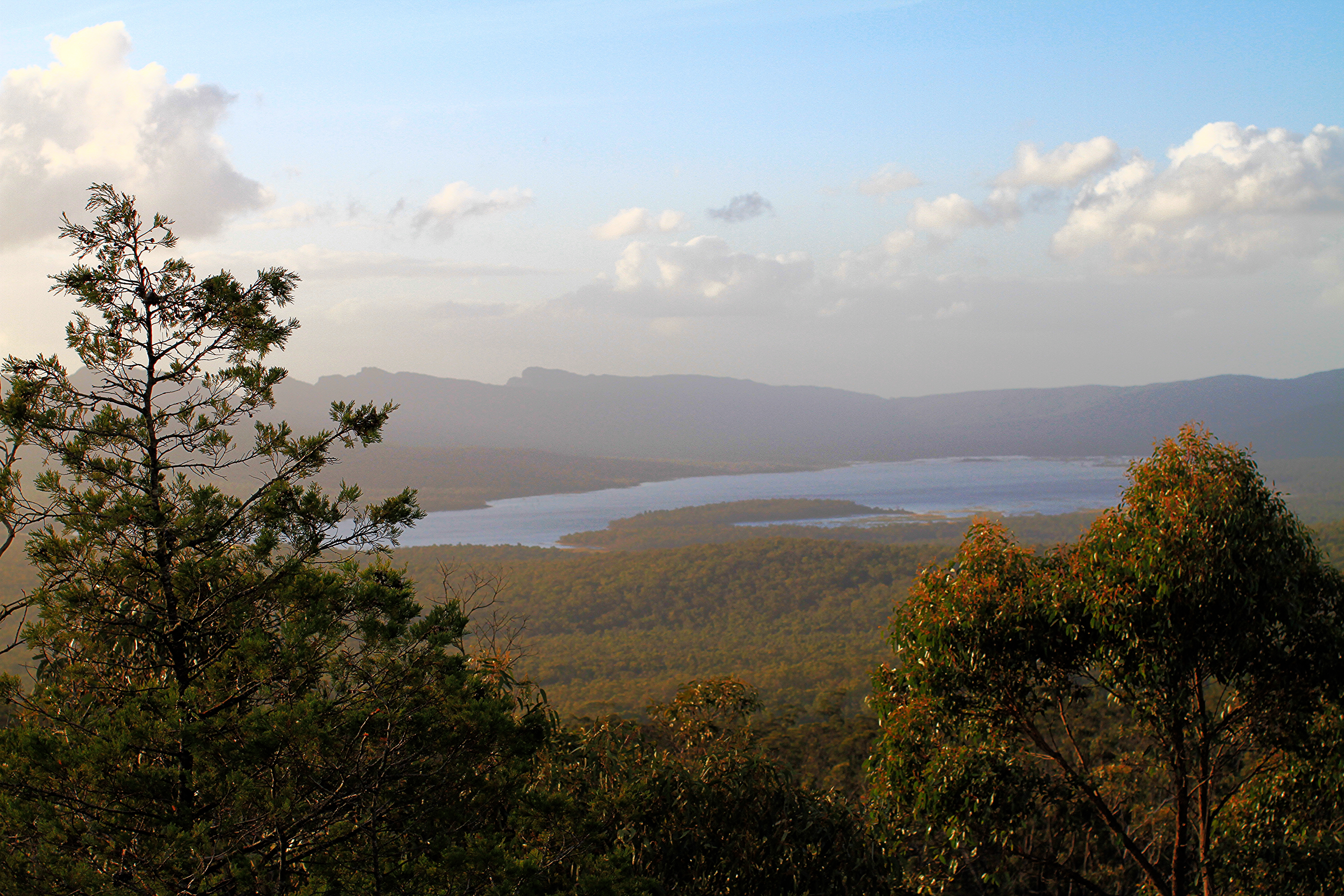
Lake Fyans

Olympus 150mm f2


Canon 50mm f1.2L


Leica 25mm f1.4


Tracks

Canon 50mm f1.2L

Canon 50mm f1.2L

Canon 50mm f1.2L

Voigtlander 90mm f3.5 macro

Pentax Da21mm limited

Pentax 16-50mm f2.8

The colour is certainly better in a foggy and wet condition. I prefer to shoot in the rain in here.

Pentax Fa 31mm f1.8 limited

Pentax FA43mm limited

Pentax 16-50mm f2.8


Giant Koala - Dadswell Bridge Victoria


Nice for a visit if you get really bored like it is raining cats and dogs or it is just simply too hot to bear in the extreme heat. Not a long drive north to Grampians. There is also a waterfall nearby - single span but puny water flow. Lucky to see it after a rain fall (I did have a few shots at it and they turned out like a poor stream wee due to prostate enlargement)


Wild life

I could easily captures shots on most of the native Australian animals in Grampians. Not much effort required. Just wander in parks or myriads of tracks in early morning or near sunset.

Olympus 150mm f2

Near Lake Fyans after a rain fall


Olympus 150mm f2

In the reserve park near central Halls Gap


Olympus 150mm f2

At the carpark near Wonderland car park entrance

Olympus 150mm f2


Olympus 150mm f2

Olympus 150mm f2

Useful resources:


Travel and Accommodation 

Park Victoria - Grampians National Park


Grampians Map

Grampians Map


Halls Gap

Halls Gap - the nearest town
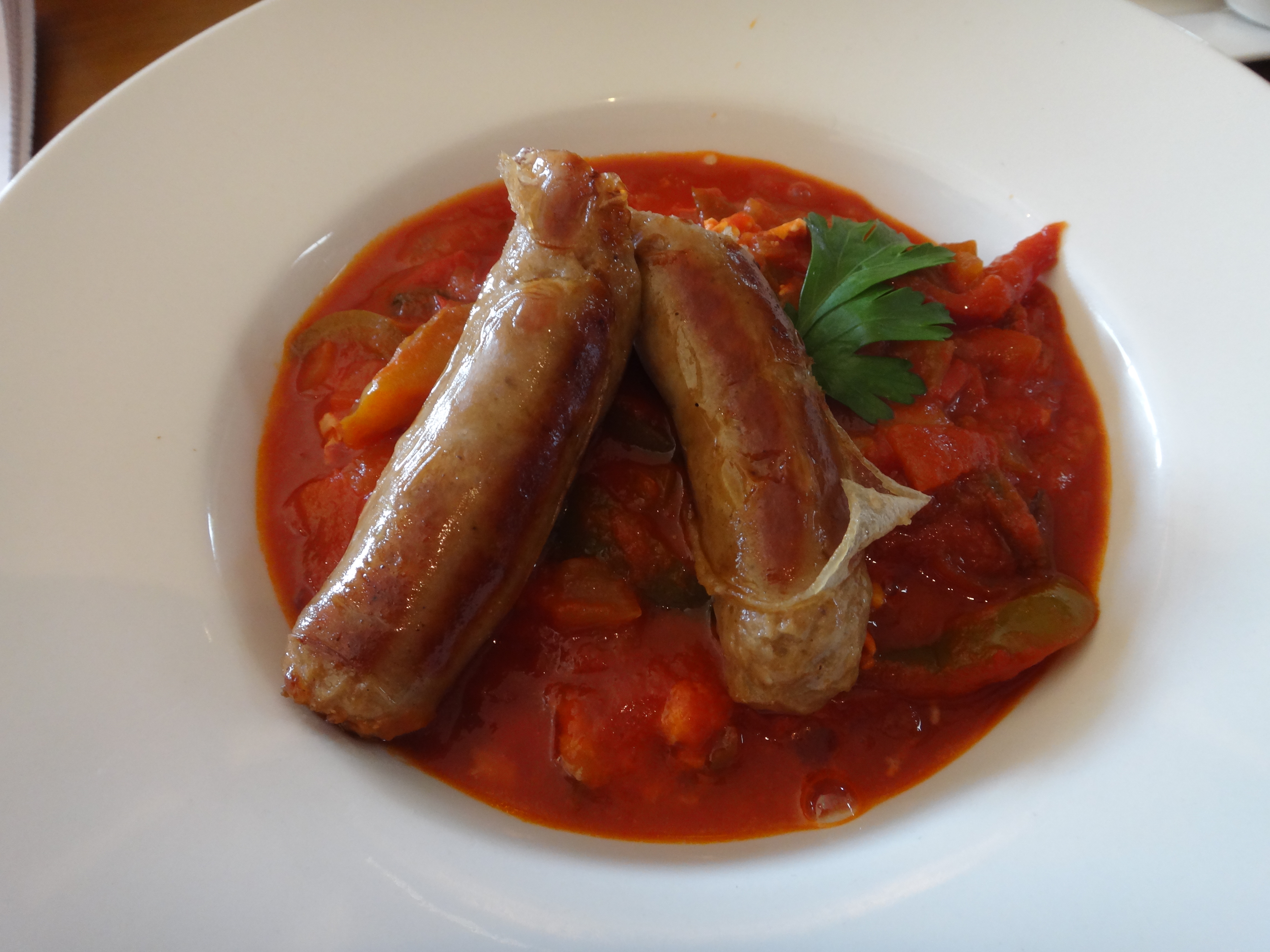
3 breakfast cafes there in the central. Always packed with people. I tend to get specials of the week for the sake of getting something new each time.
Among these, this middle eastern sausage was memorable because it looks like number 2 in the toilet. But it tastes really good though. From Black Cat Cafe


Friday, January 10, 2014

Nooji Creek


Near Nooji - long exposure

Wednesday, October 16, 2013

Sand Dunes at Mungo National Park


Kangaroo footprints all over the hills. Not mine!


Tuesday, October 15, 2013

Reeds Lookout at Grampians National Park


Freezing. Cold. Windy. There was this spot of light shining on the hills. It looks like light from heaven.

Wednesday, August 28, 2013

Red Look Out at Mungo National Park


I love the look. Though there were so many flies trying to get into my lung, the place was well worth the visit.